Why Maternity Bras Matter: What Every Pregnant & Nursing Woman in Bangladesh Should Know

When you’re expecting, there’s a long list of things to buy — and a maternity bra often slips to the bottom of it. “I’ll just wear my normal bras,” many women think. But within a few weeks, most realise their regular bras have become genuinely uncomfortable: tight, digging, and impossible to nurse in.
This post explains why that happens — what’s actually changing in your body, and why a proper maternity bra makes such a difference. If you already know you need one and just want help choosing, our complete guide to choosing maternity & nursing bras in Bangladesh walks you through exactly which style fits each stage. This post is about understanding the why behind it.

What Actually Happens to Your Body
Pregnancy brings about significant changes in a woman’s body, particularly in the breasts. Understanding these changes is essential for selecting the right maternity bra.
Your breasts grow — often a lot
From early pregnancy, hormonal changes cause your breasts to grow, frequently by one or two cup sizes, and sometimes more once your milk comes in. Your ribcage also expands to make room for the growing baby, which means your band size increases too — not just your cups. This is why a bra that fit perfectly before pregnancy can feel tight within weeks.
They become sensitive and tender
As blood flow increases and the milk glands develop, breasts often become sore, heavy, and far more sensitive than usual. A seam pressing in the wrong place, or an underwire that never bothered you before, can suddenly feel genuinely painful.
Your size keeps changing — even hour to hour
Once you’re nursing, your breasts feel full before a feed and softer after. So you’re not fitting one fixed size — you need a bra with enough stretch to stay comfortable across that daily range.
Why a Maternity Bra Helps (and a Regular Bra Doesn’t)
Given these changes, selecting a maternity bra becomes essential. Here are the primary reasons why:
A maternity bra isn’t just a marketing label — it’s built differently for these specific changes:
Comfort for sensitive skin. Soft, breathable fabrics and seamless construction reduce the chafing and irritation that stretched, tender skin is prone to — which matters in Bangladesh’s warm, humid climate where sweat makes irritation worse.

Support that protects your back. Heavier, milk-filled breasts put real strain on your shoulders and back. Wider straps and bands spread that weight evenly, helping prevent the back and shoulder pain that poorly-supported breasts cause.
Flexibility that grows with you. Adjustable straps, multiple hook settings, and stretchy fabric let one bra fit comfortably as your size changes — so you’re not constantly buying new ones at every stage.

Easier, gentler on breast health. A well-fitted, wire-free maternity bra avoids pressing on milk ducts. Many lactation experts suggest wire-free styles, especially in the early weeks, to reduce the chance of blocked ducts and the discomfort that comes with them. (This is general guidance, not medical advice — if you have pain, redness, or a fever, see your doctor.)
One-handed nursing access. This is the feature mothers value most once the baby arrives. Front-opening or clip-down cups let you nurse with one hand while holding your baby in the other — at 3am, in public, anywhere.

Flexibility in maternity bras is crucial as it ensures:
- Seamless Transitions: From pregnancy to breastfeeding and beyond, a flexible bra can adapt to your needs, providing consistent comfort and support. This adaptability reduces the need to purchase multiple bras for different stages, saving time and money.
- Cost-Effectiveness: Investing in a bra that adapts to your changing body can be more cost effective than purchasing multiple bras for different stages. A high-quality, flexible bra can last through various stages of pregnancy and postpartum, offering long-term value.
Why Your Regular Bras Won’t Work
Regular bras simply aren’t built for this season. They lack the stretch to handle a daily-changing size, the underwire can press uncomfortably on tender, milk-producing tissue, the materials may irritate sensitised skin, and — most practically — they have no nursing access, making every feed a struggle. Pushing through with the wrong bra usually means back pain, irritation, and a lot of unnecessary discomfort.
When Should You Switch?
A realistic timeline most mothers follow:
- First trimester: As soon as your usual bra feels tight or your breasts feel tender, move to a soft, wire-free maternity bra.
- Second and third trimester: Wear a stretchy maternity bra that fits now but has room to expand, since you’ll keep growing.
- After birth: Switch to a nursing bra with front-opening access for easy feeding.
A practical tip: don’t buy your whole collection early. Your size keeps changing, so buy one or two now and a few more closer to your due date.
Ready to Choose?
Now that you understand why maternity bras matter, the next step is picking the right one for your stage and body. Our honest guide to maternity & nursing bras in Bangladesh matches each style to a real need — from soft pregnancy bras to heavy-support and pumping bras — with prices and direct links.
You can also browse the full Maternity & Nursing Bra collection (from ৳350), or use our free Bra Size Calculator to check your current size. Every order ships in 100% discreet packaging with Cash on Delivery anywhere in Bangladesh and 3-Day Easy Exchange.
Frequently Asked Questions
Why do I need a maternity bra during pregnancy?
Your breasts grow and become tender during pregnancy, and your ribcage expands too. Regular bras lack the stretch, soft support, and gentle fit needed for these changes, which often leads to discomfort and back strain. Maternity bras are designed specifically to adapt and support comfortably.
When should I start wearing a maternity bra?
Switch as soon as your regular bra feels tight or your breasts feel tender — usually in the first trimester. Move to a front-opening nursing bra once your baby is born.
Are wire-free maternity bras better?
For most mothers, especially in the early weeks, wire-free styles are recommended because they avoid pressing on milk ducts. Modern wire-free maternity bras still give strong support, so you don’t sacrifice lift.
Can maternity bras be worn after pregnancy?
Yes. Most maternity bras double as nursing bras with front-opening or clip-down cups, and their stretchy fit adapts to the size changes that come with milk production — making them useful well into your breastfeeding journey.
How many maternity or nursing bras do I need?
Most mothers find 3 to 4 works well, allowing some to be washed and dried while others are worn. Leaks and frequent washing mean you’ll use more than you might expect..
Shop maternity and nursing bras
Front-opening, soft-cup and wire-free — the maternity bras Bangladeshi mothers buy from us most often.
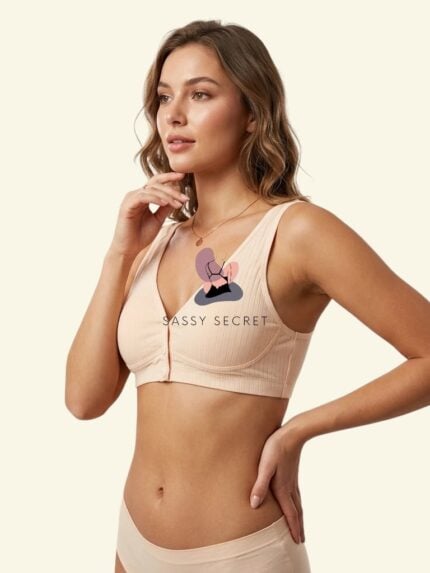
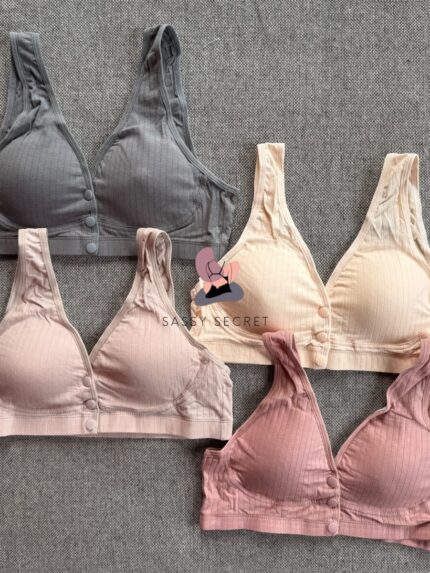
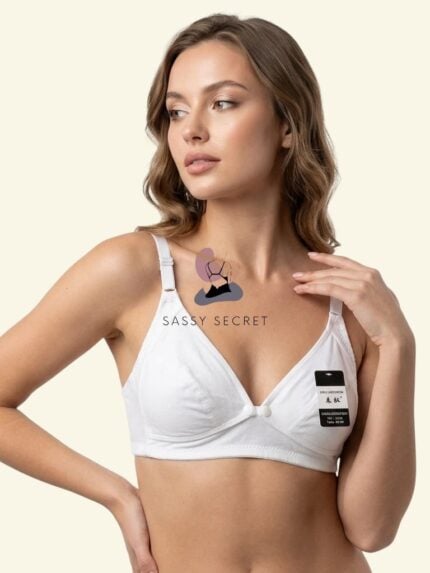
Front Button Cotton Nursing Bra – Maternity & Everyday Comfort (Imported)
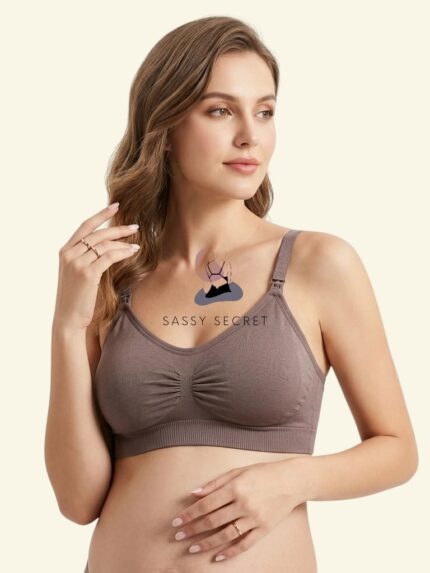
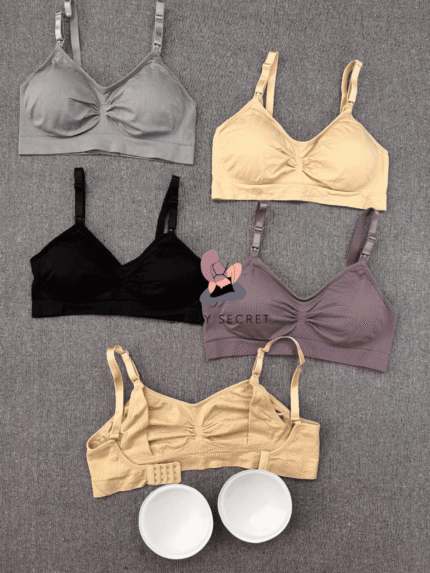
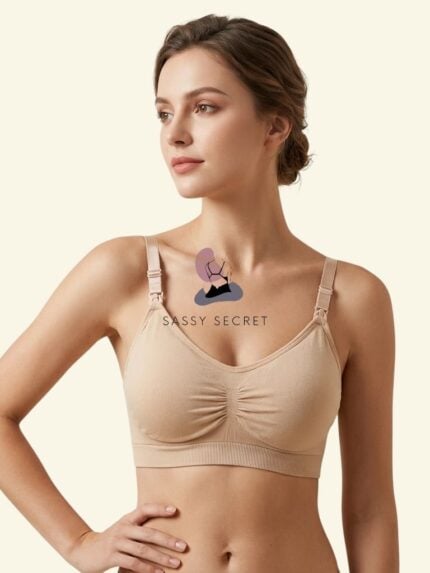
Front Opening Maternity Breastfeeding Bra – Soft Padding & Adjustable Strap (Imported)

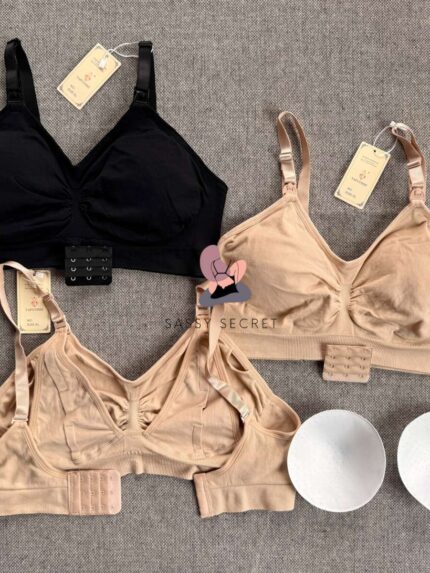


 Breastfeeding Maternity Bras
 Front Button Bras
 Invisible Bras
 Lace Bras
 Light Padded Bras
 Minimizer Bras
 Non Padded Bras
 Push Up Bras
 Seamless Bras
 Strapless Bras
 T Shirt Bras
 Teen Bras
 Wired Bras
 Wireless Bras




 Cotton
 Lace
Lace Maternity
 Period
 Seamless
 Shorts