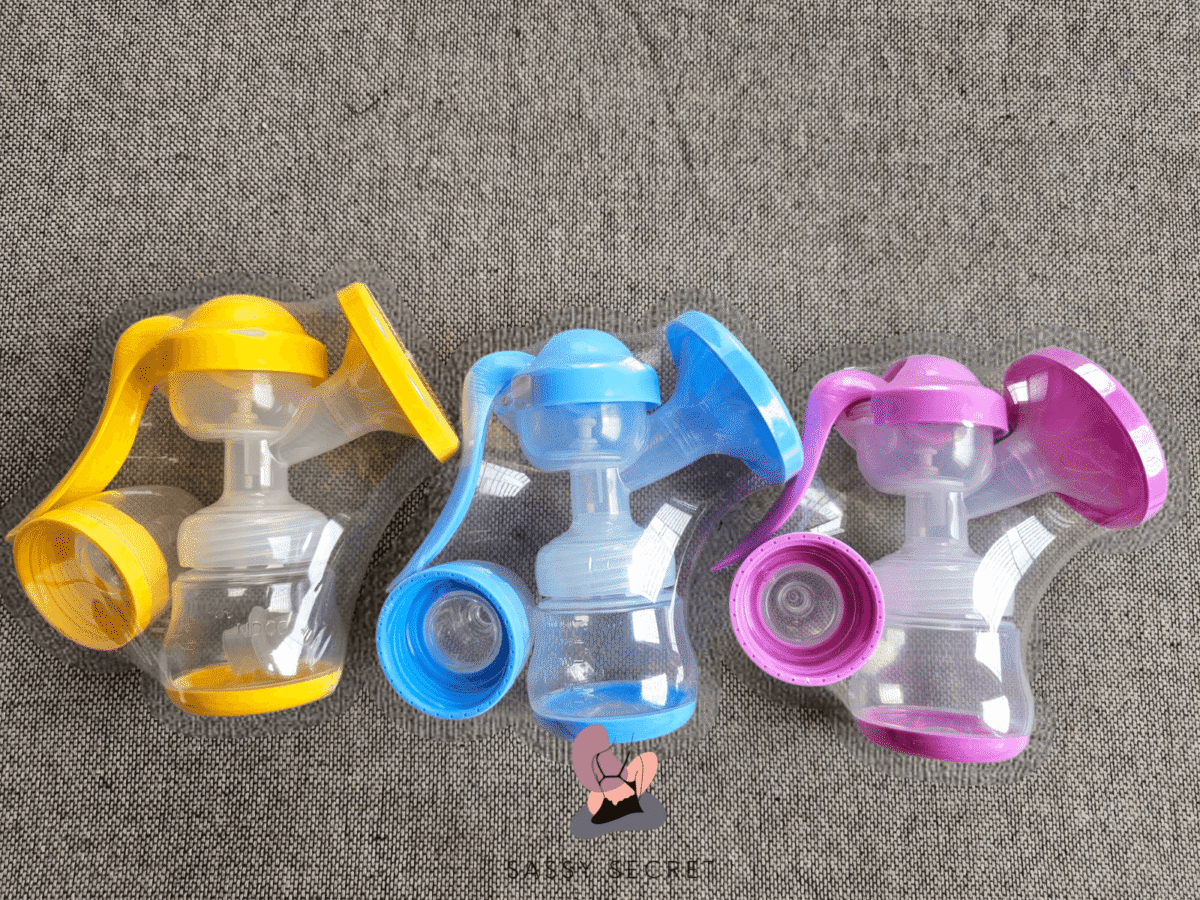

If you’re a new mother in Bangladesh thinking about a breast pump, you probably have a lot of questions. Do you really need one? Manual or electric? How does it even work? And is it worth the money?
This guide answers those questions honestly, so you can decide what’s right for you — without the pressure. Every mother’s journey is different, and a breast pump is simply one tool that can make yours a little easier.
What Is a Breast Pump and How Does It Work?
A breast pump is a device that draws milk from the breast, mimicking a baby’s natural sucking. The milk you express is collected in a bottle, which can then be stored and given to your baby later — by you, your partner, or another caregiver.
That simple function solves a surprising number of real problems for mothers.
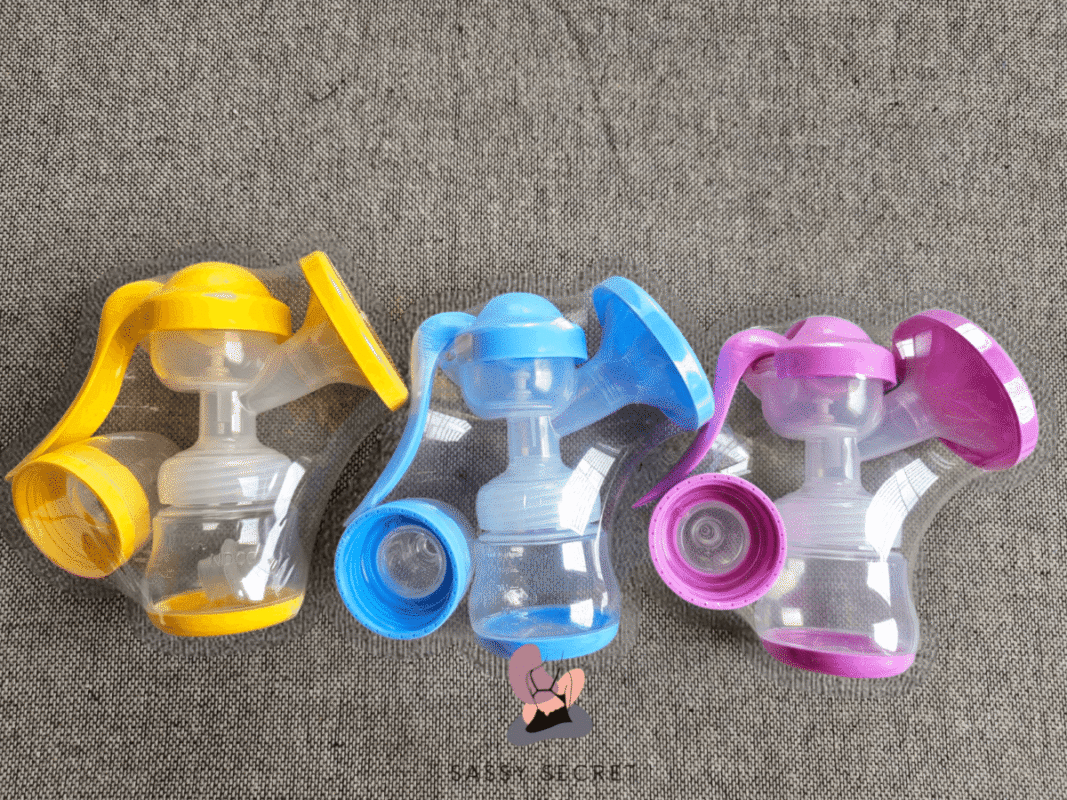
Why Mothers in Bangladesh Use a Breast Pump
You might find a pump genuinely useful if:
- You’re going back to work. Many mothers in Dhaka and beyond return to jobs while still wanting their baby to have breast milk. Expressing milk lets you leave a supply at home for the day.
- Your baby is struggling to latch. Some babies have trouble latching in the early days. Pumping ensures they still get your milk while you work through it.
- Your breasts feel painfully full (engorged). Gently expressing some milk relieves the pressure and discomfort of overly full breasts.
- You want to build up a supply. Regular pumping can help stimulate and maintain your milk production.
- You want help from family. With expressed milk, your husband or mother can handle a feed — especially at night — so you can finally rest.
If none of these apply to you and breastfeeding is going smoothly, that’s perfectly fine too — not every mother needs a pump.
Manual vs Electric: Which Is Right for You?
There are two main types, and for most mothers in Bangladesh the choice comes down to how often you’ll use it.
Manual pumps are hand-operated, lightweight, quiet, and affordable. There’s nothing to charge and very little to clean. They’re ideal if you’ll pump occasionally — to relieve fullness, leave the odd bottle, or while travelling. For most new mothers starting out, a good manual pump is all they need.
Electric pumps are powered and express milk faster, sometimes from both breasts at once. They suit mothers who pump frequently — for example, those expressing every day around a full-time job. They cost more and need charging or a power source.
Our honest take: if you’re pumping now and then rather than every single day, a quality manual pump gives you everything you need at a fraction of the cost. At Sassy Secret BD we focus on a reliable, gentle Imported Manual Massage Breast Pump designed with soft massage cushions for comfortable, efficient expression.
How to Use a Breast Pump Comfortably
A few simple things make pumping easier and more effective:
- Get comfortable first. Find a quiet, relaxed spot. Stress makes letdown harder, so calm helps the milk flow.
- Warm and massage gently before you start, to encourage letdown.
- Pump at regular times to keep your supply steady.
- Keep everything clean. Wash and sterilise all parts before and after each use — this matters a lot for your baby’s safety.
- Stay hydrated and eat well. Your body needs fuel and fluids to make milk.
If pumping ever hurts, stop and check the fit — discomfort usually means the cushion size or suction needs adjusting, not that you’re doing anything wrong.
Storing Expressed Milk Safely
Once you’ve expressed milk, store it properly to keep it safe for your baby:
- Room temperature: use within about 4 hours
- Refrigerator: up to about 4 days
- Freezer: several months, depending on your freezer
Always label milk with the date and use the oldest first. Warm chilled milk by standing it in warm water — never in the microwave, which creates dangerous hot spots and damages the milk. For detailed, authoritative storage guidance, the CDC’s breast milk storage guidelines are an excellent reference.
A Gentle Reminder About the Emotional Side
Pumping can stir up a lot of feelings. Some mothers feel empowered by it; others feel anxious if their output seems low. Please be kind to yourself: the amount you pump is not a measure of how good a mother you are. Every drop of breast milk is valuable, and however you choose to feed your baby, you’re doing a good job.
If you’re finding things hard, reaching out to a lactation consultant, your doctor, or other mothers can make a real difference.
Making Pumping Easier: Pair It With a Hands-Free Nursing Bra
One small thing that changes the whole experience: a Hands-Free Pumping & Nursing Bra holds the pump in place for you, so you can rest your arms, eat, scroll your phone, or simply breathe while you express. Any mother who pumps regularly will tell you it’s worth it.
Ready to Choose?
If you think a pump would help, our Imported Manual Massage Breast Pump is a comfortable, affordable place to start. Pair it with the right nursing bra from our Maternity & Nursing collection, and you’re well set up for this season.
Everything ships in 100% discreet packaging with Cash on Delivery anywhere in Bangladesh and 3-Day Easy Exchange. If you’re unsure what you need, message our team on WhatsApp — we’re happy to help, with no pressure.
Frequently Asked Questions
Do I really need a breast pump?
Not every mother does. A pump is most useful if you’re returning to work, dealing with latching difficulties or engorgement, want to build a supply, or want family to help with feeds. If breastfeeding is going smoothly and you’re always with your baby, you may not need one.
Is a manual or electric breast pump better for new mothers in Bangladesh?
For occasional use, a manual pump is affordable, quiet, easy to clean, and perfectly effective. Electric pumps suit mothers who pump frequently, such as around a daily work schedule, but cost more. Most mothers starting out do well with a good manual pump.
How long can I store expressed breast milk?
Roughly 4 hours at room temperature, up to 4 days in the refrigerator, and several months in the freezer. Always label with the date, use the oldest first, and warm in warm water rather than a microwave.
Does pumping hurt?
It shouldn’t. If it does, the cushion size or suction setting usually needs adjusting. Start gentle and increase slowly. Comfortable pumping is more effective than forcing high suction.
Can I use a breast pump while wearing a nursing bra?
Yes — a hands-free pumping and nursing bra is designed exactly for this, holding the pump in place so you can keep your hands free while expressing.



 Breastfeeding Maternity Bras
 Front Button Bras
 Invisible Bras
 Lace Bras
 Light Padded Bras
 Minimizer Bras
 Non Padded Bras
 Push Up Bras
 Seamless Bras
 Strapless Bras
 T Shirt Bras
 Teen Bras
 Wired Bras
 Wireless Bras




 Cotton
 Lace
Lace Maternity
 Period
 Seamless
 Shorts